


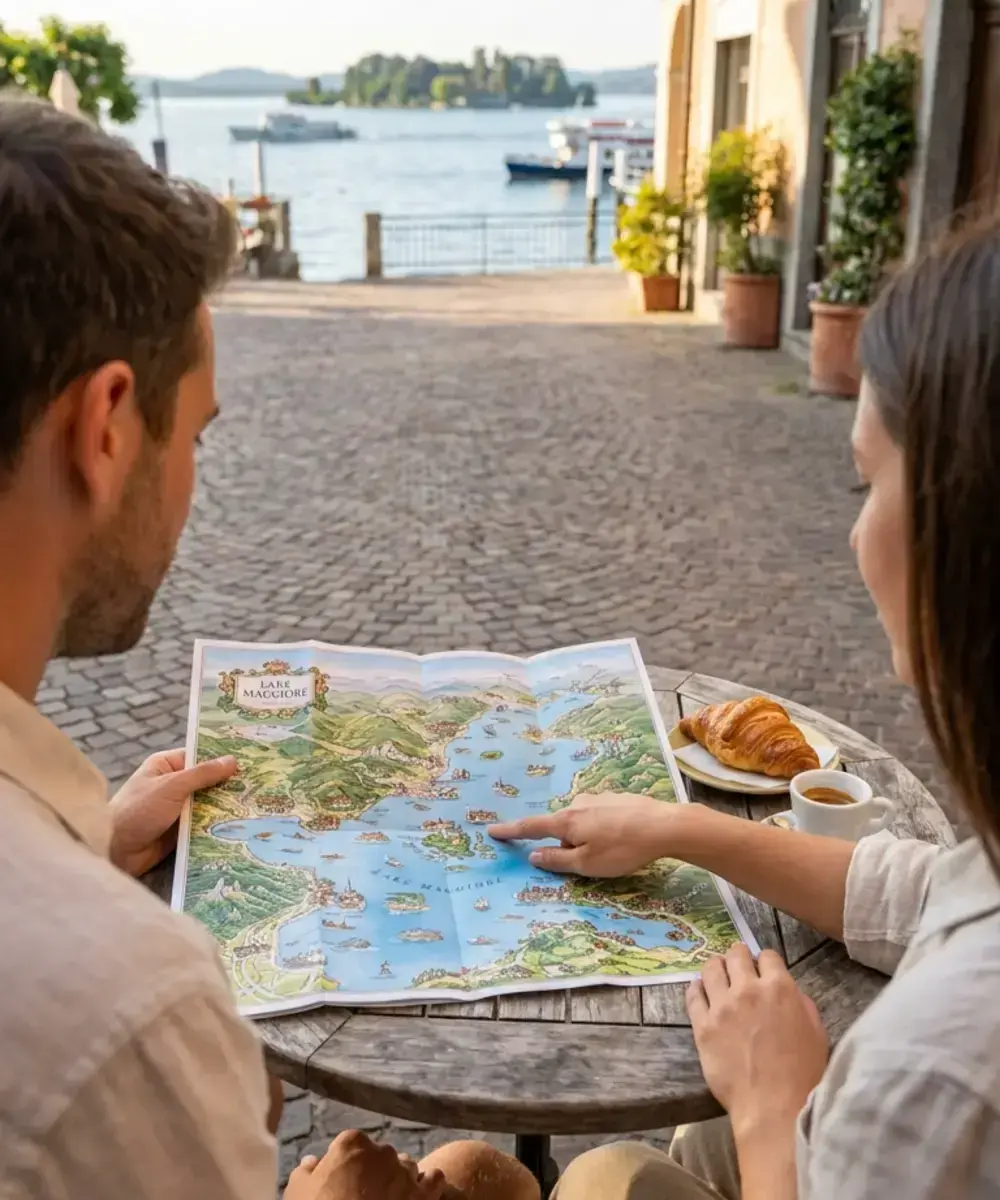
Discover how marble, granite and historic waterways connected Lake Maggiore to Milan’s most remarkable monuments.
Imagine standing on the shores of Lake Maggiore, admiring the mountains reflected in the water.
Centuries ago, enormous blocks of stone began an extraordinary journey from this region towards the heart of Milan.
No trucks. No trains. Just rivers, canals, wooden barges and the ingenuity of generations of workers.
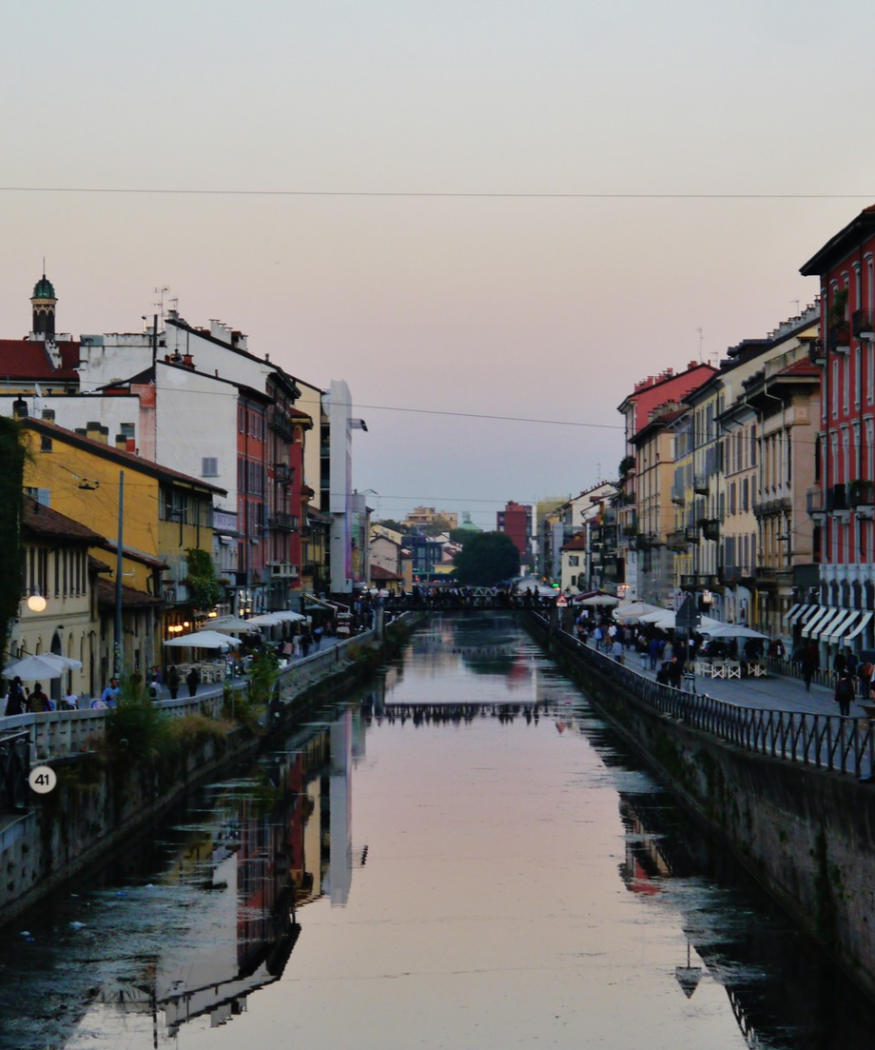
Today, Milan’s Navigli are famous for their restaurants and lively atmosphere. But behind these picturesque canals lies a fascinating story connecting the city to Lake Maggiore.
When Milan Was a City of Water
Long before becoming a fashionable neighbourhood, the Navigli formed part of an extensive network of waterways used for transportation, trade and irrigation.
The medieval Naviglio Grande connected Milan to the Ticino River, while other canals extended towards the historic centre.
Water once flowed where busy streets now stand. Bridges crossed canals, boats unloaded goods and warehouses lined their banks.
Much of the inner canal network was covered beginning in 1929, transforming Milan’s appearance forever.
The surviving Navigli offer a glimpse into a city that once depended on water.
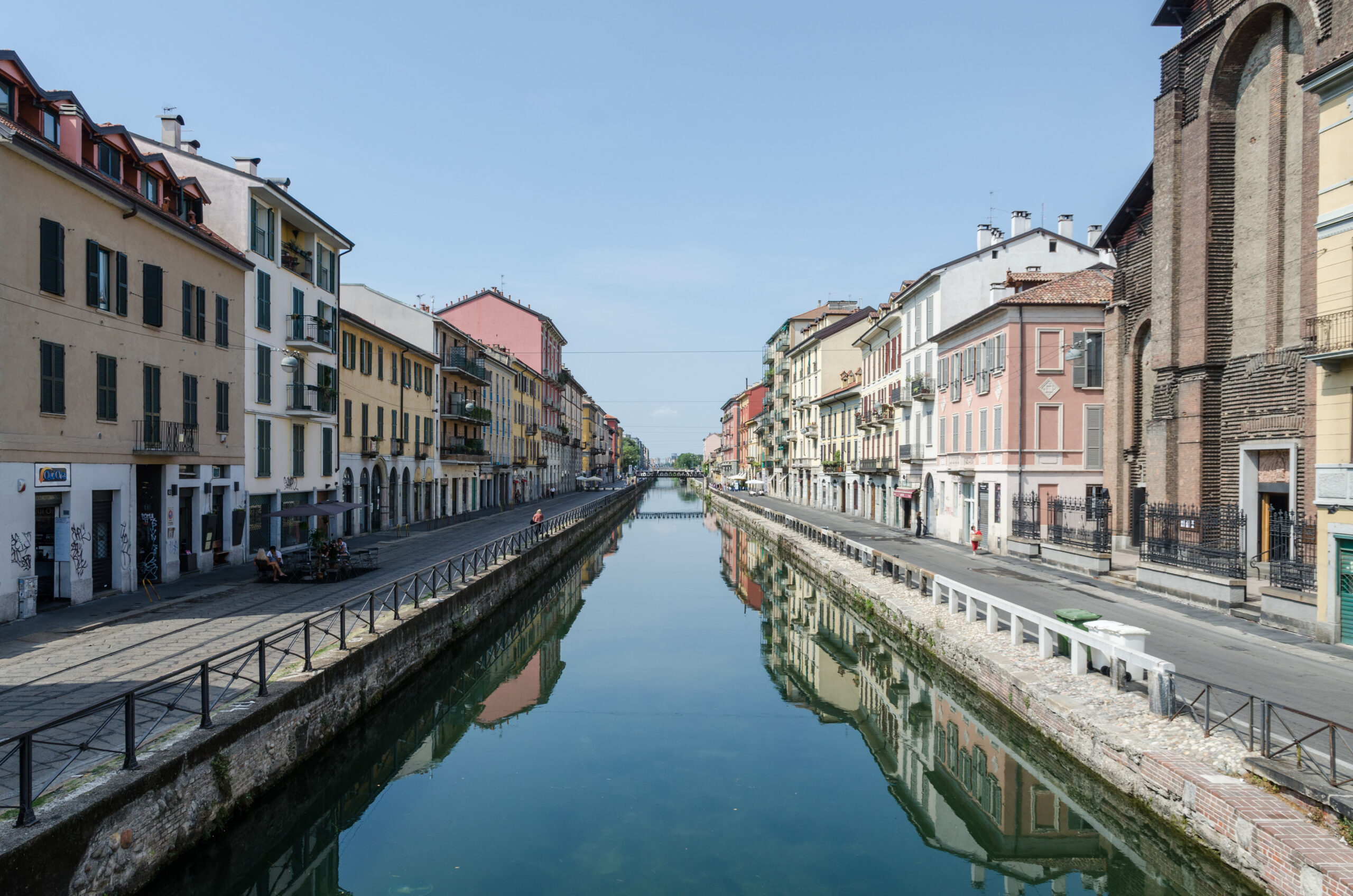
Naviglio Grande – Milano
The Marble That Built Milan’s Duomo
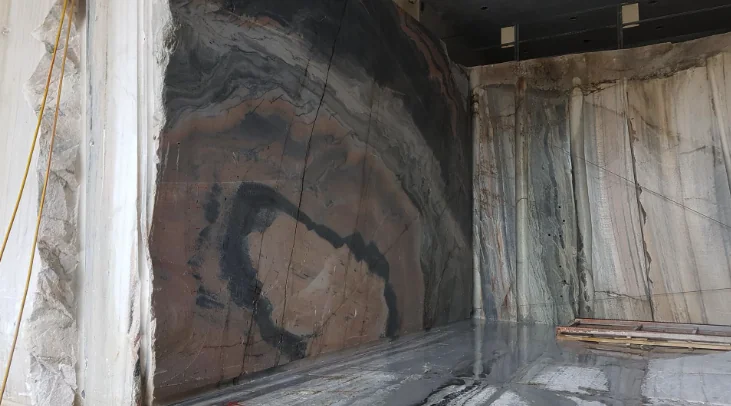
One of the most extraordinary stories begins in Candoglia, near Mergozzo, at the northern end of Lake Maggiore.
Here, the distinctive pinkish-white marble used to build Milan’s magnificent Duomo was quarried.
Transporting enormous blocks over land would have been extremely difficult. Instead, workers relied on waterways.
The marble travelled along the Toce River, across Lake Maggiore, down the Ticino River and into the Naviglio Grande, before reaching the city through its canal network.
The journey ended near the Cathedral, at the Laghetto di Santo Stefano, a small harbour created in the late fourteenth century to receive building materials.
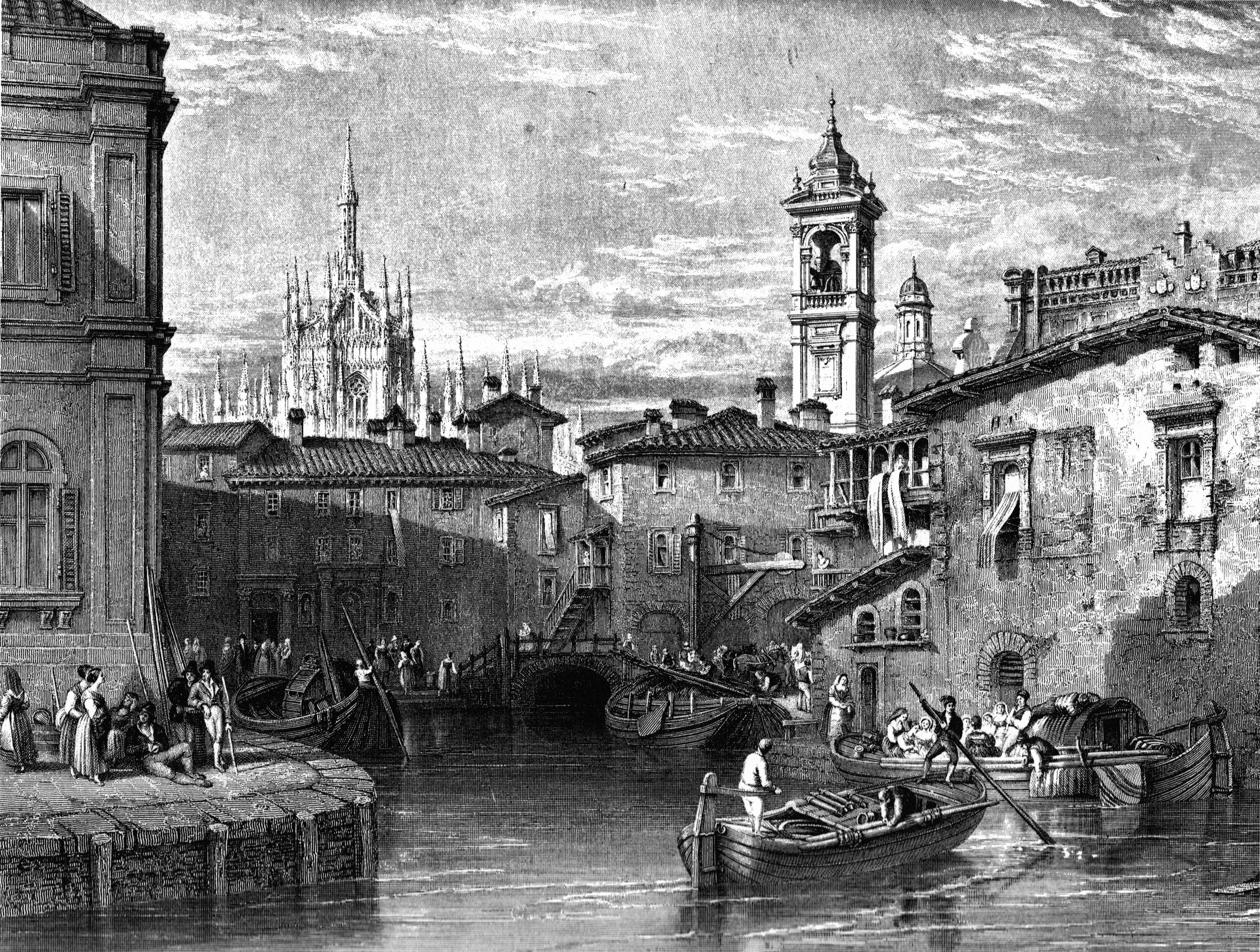
Laghetto di Santo Stefano
The basin was filled in in 1857, but its memory survives in the name Via Laghetto, just a short walk from the Duomo.
Next time you admire the Cathedral, remember that its remarkable marble once travelled across the waters of Lake Maggiore.
Discover the full story in our article: From Lake Maggiore to Milan: The Marble That Built the Duomo.
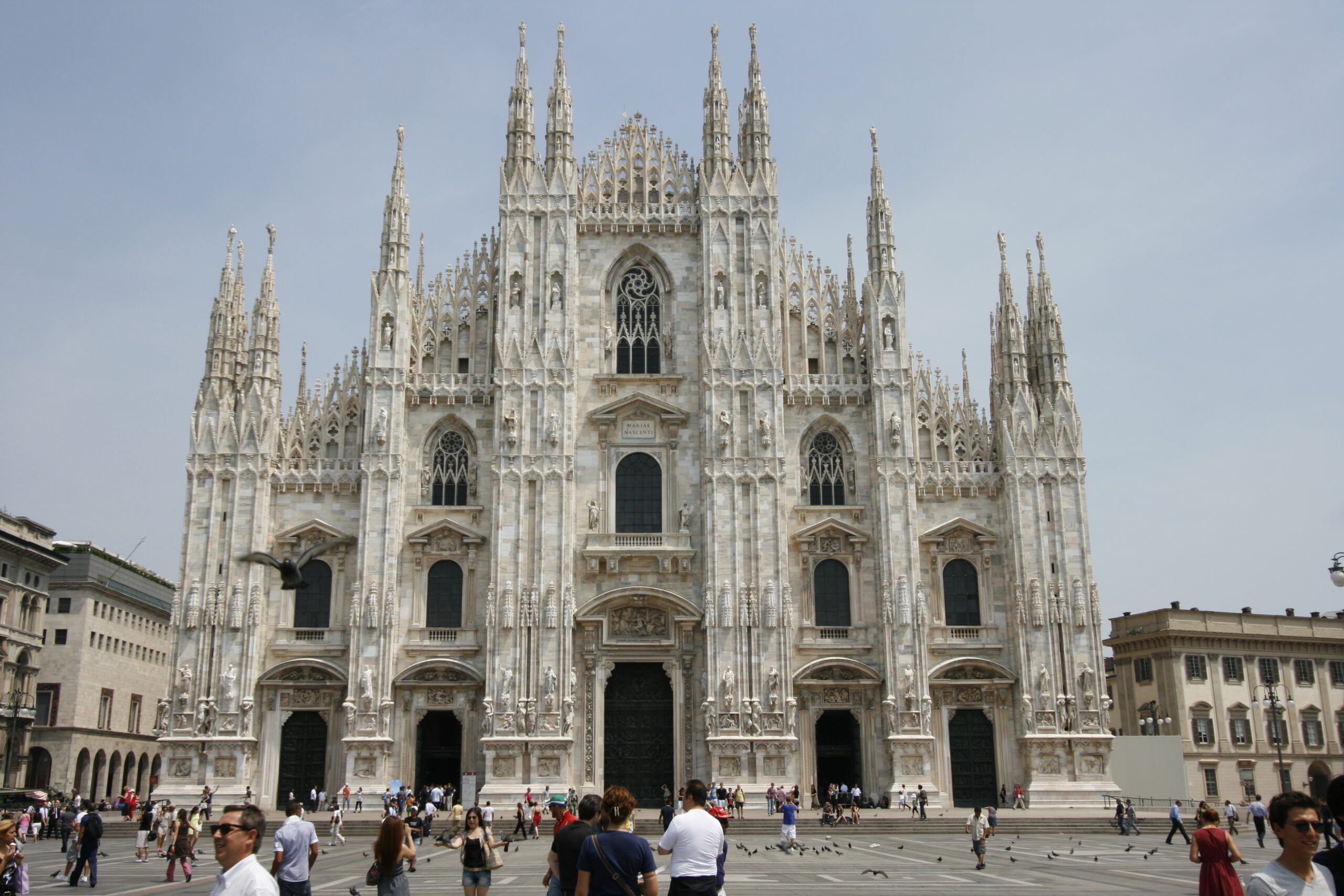
Duomo – Milano
Another Stone, Another Journey: The Colonna del Verziere
Just a short walk from the former harbour, in Largo Augusto, stands another monument with a surprising connection to Lake Maggiore.
The Colonna del Verziere is made of granite from Baveno, the lakeside town just a few kilometres from Stresa.
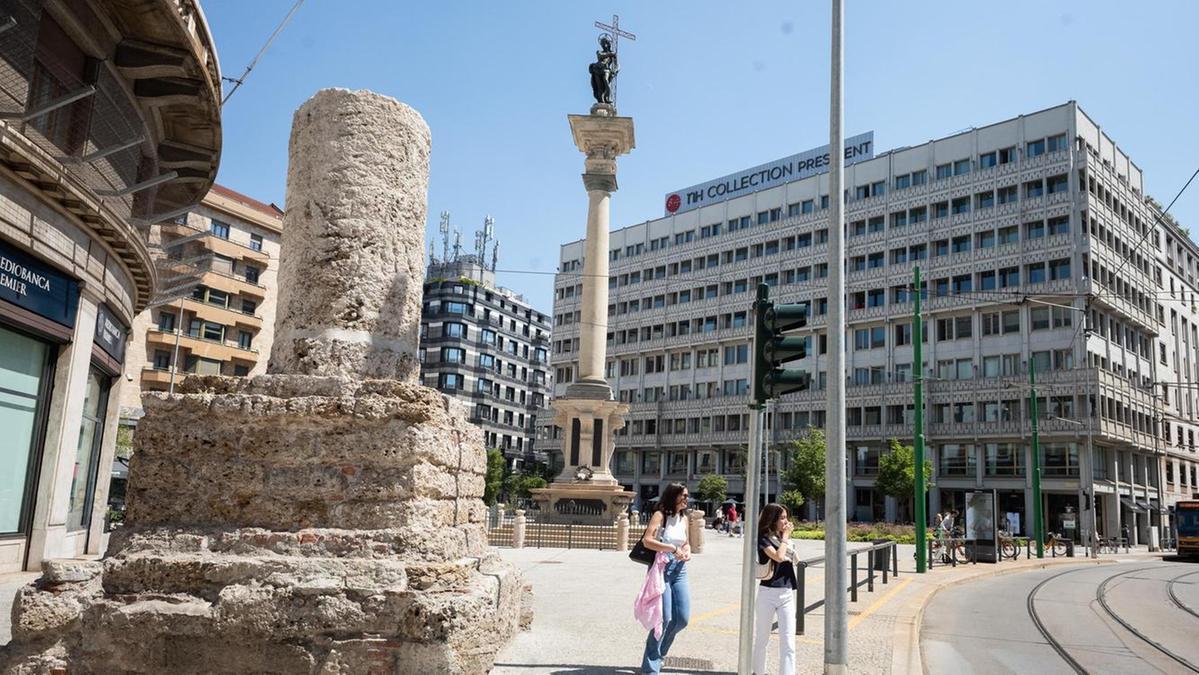
Colonna del Verziere
Its construction began in 1580 as a votive offering following the devastating plague of 1576–1577.
The column was worked in Baveno and transported to Milan by water. Historical accounts describe its arrival at the Darsena in 1581.
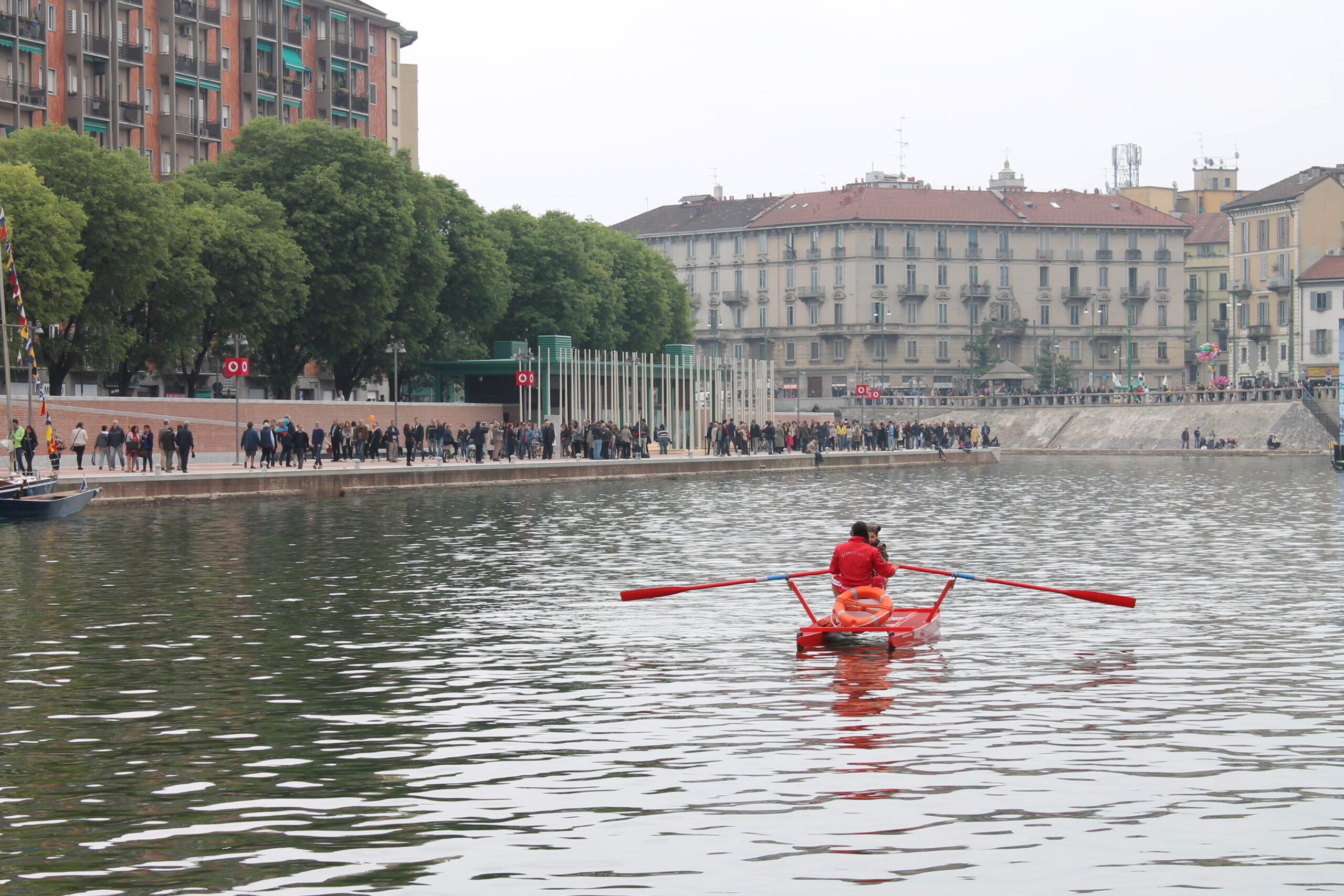
Darsena
Completed in 1673 with a statue of Christ the Redeemer, it later became a memorial to those who died during the Five Days of Milan in 1848.
Its name comes from the Verziere, the historic fruit and vegetable market once held nearby.
The Duomo’s marble from Candoglia and the column’s granite from Baveno: two different stones, two remarkable journeys from Lake Maggiore to Milan.
The Navigli: From Working Canals to Aperitivo
Today, the Navigli neighbourhood centres around the Naviglio Grande, Naviglio Pavese and the Darsena, once an important working harbour.
The boats and warehouses have largely given way to restaurants, cafés and art galleries, but the history of the waterways is still visible.
Even the street names tell a story.

Along the Naviglio Grande, Alzaia Naviglio Grande recalls the towpath where horses once pulled barges upstream, while Ripa di Porta Ticinese refers to the canal bank.
Boats travelling towards Milan could take advantage of the current. Returning upstream required horses, and later tractors, to tow them along the waterway.
Today, the same streets are popular for evening walks and aperitivo, the Italian tradition of enjoying a drink accompanied by something to eat before dinner.
For a glimpse of the area’s working past, visit Vicolo dei Lavandai, where historic washing facilities recall the days when the canal was part of everyday life.
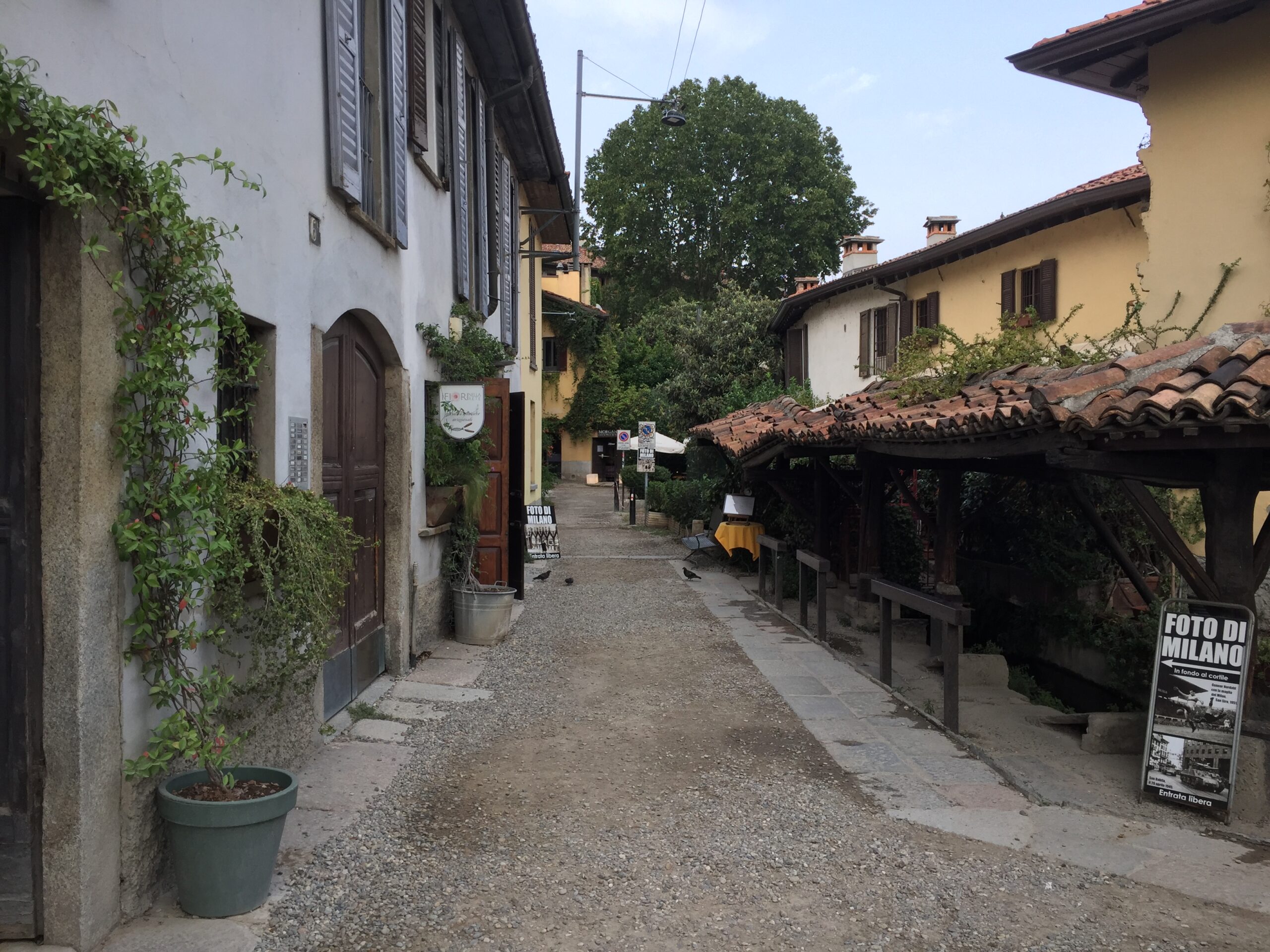
Vicolo dei Lavandai – Milano
Discover Milan from Lake Maggiore
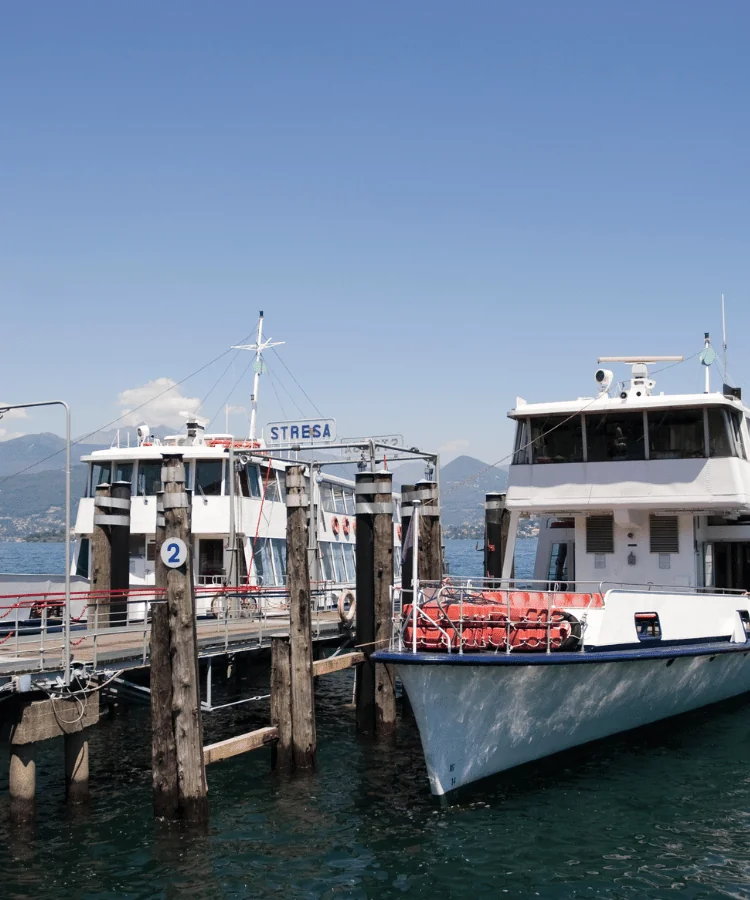
For visitors staying in Stresa, Milan makes a fascinating day trip.
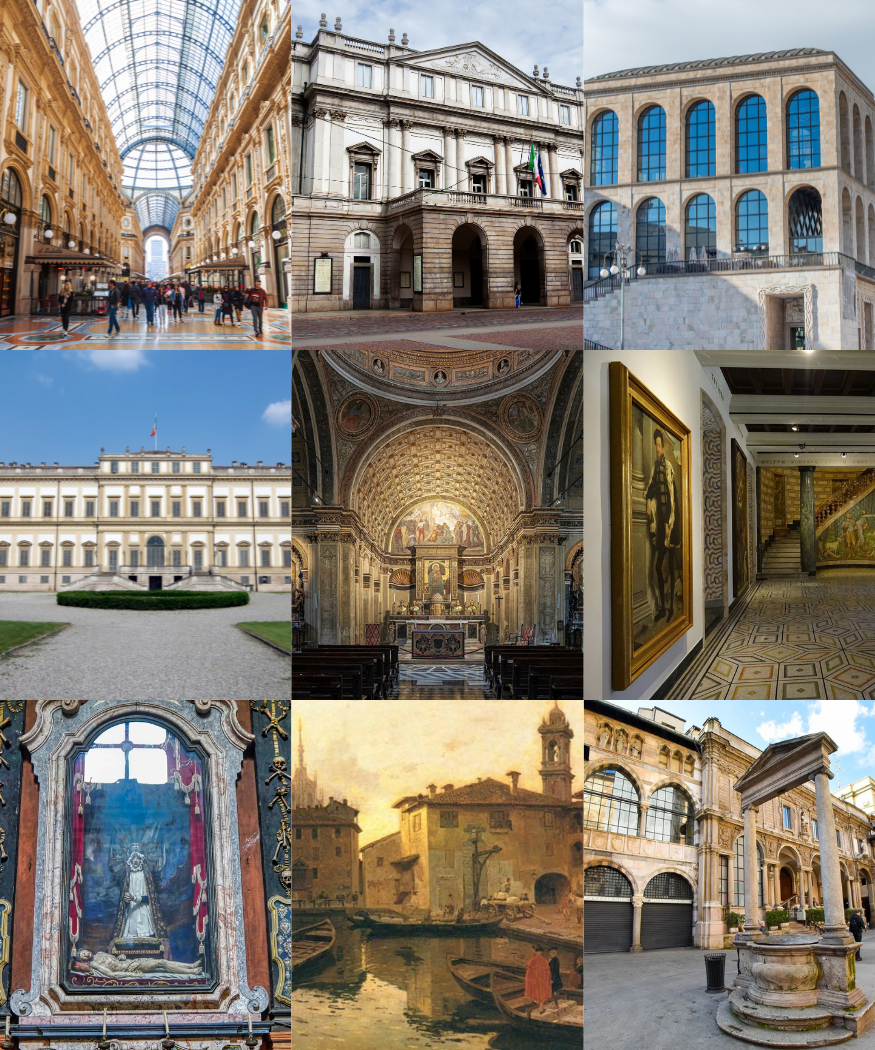
Start at Piazza del Duomo, explore nearby Via Laghetto and Largo Augusto, then discover the Navigli and their lively waterfront atmosphere.
It is a journey through centuries of history, from medieval waterways to the Milan of today.
And when you return to Lake Maggiore, you may find yourself looking at its waters a little differently.
After all, they once carried the stones that helped shape Milan.