
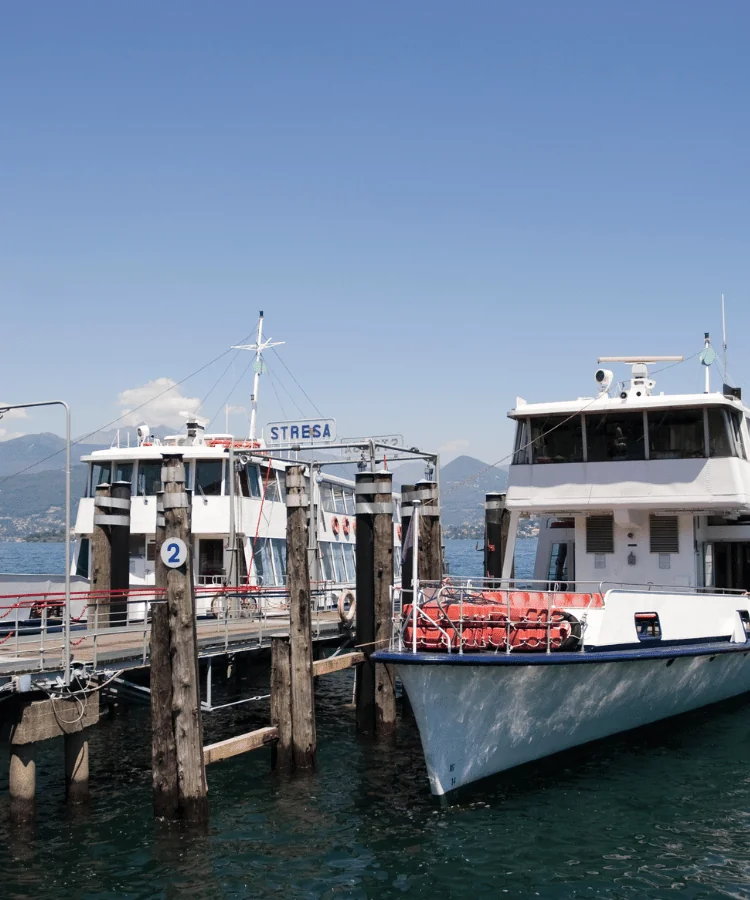

What if one of the most peaceful places in the Italian Alps was built on the ruins of a fortress destroyed by war? Just an hour from Stresa, a remarkable story awaits above Domodossola.
A Peaceful Hill with a Violent Past
Today, visitors climb the wooded slopes above Domodossola to discover a place of silence, art and breathtaking Alpine views.
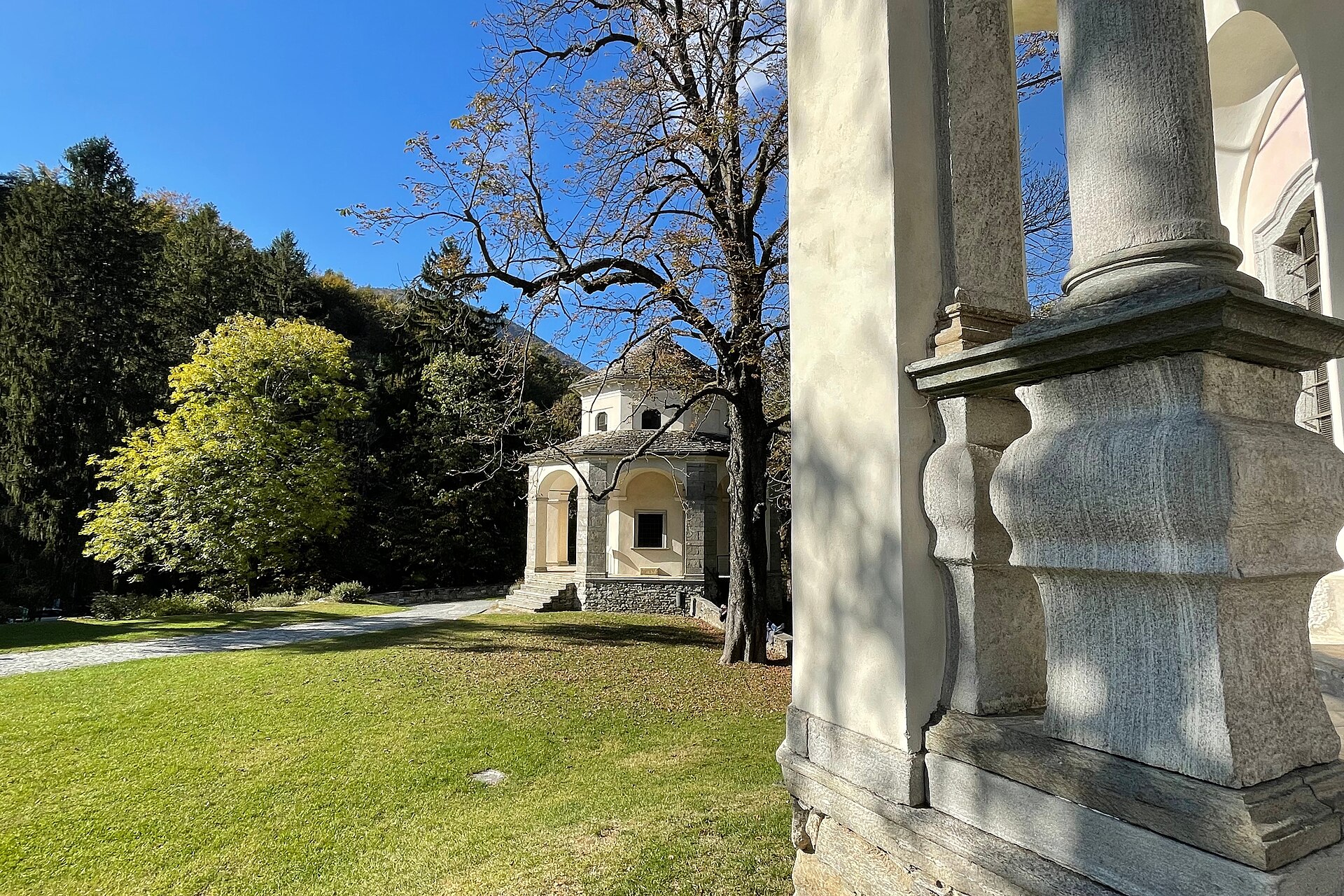
They follow an ancient, cobbled path, pass centuries-old chapels and eventually reach the beautiful Sacro Monte Calvario, a UNESCO World Heritage Site.
It feels like a place that has always belonged to peace.
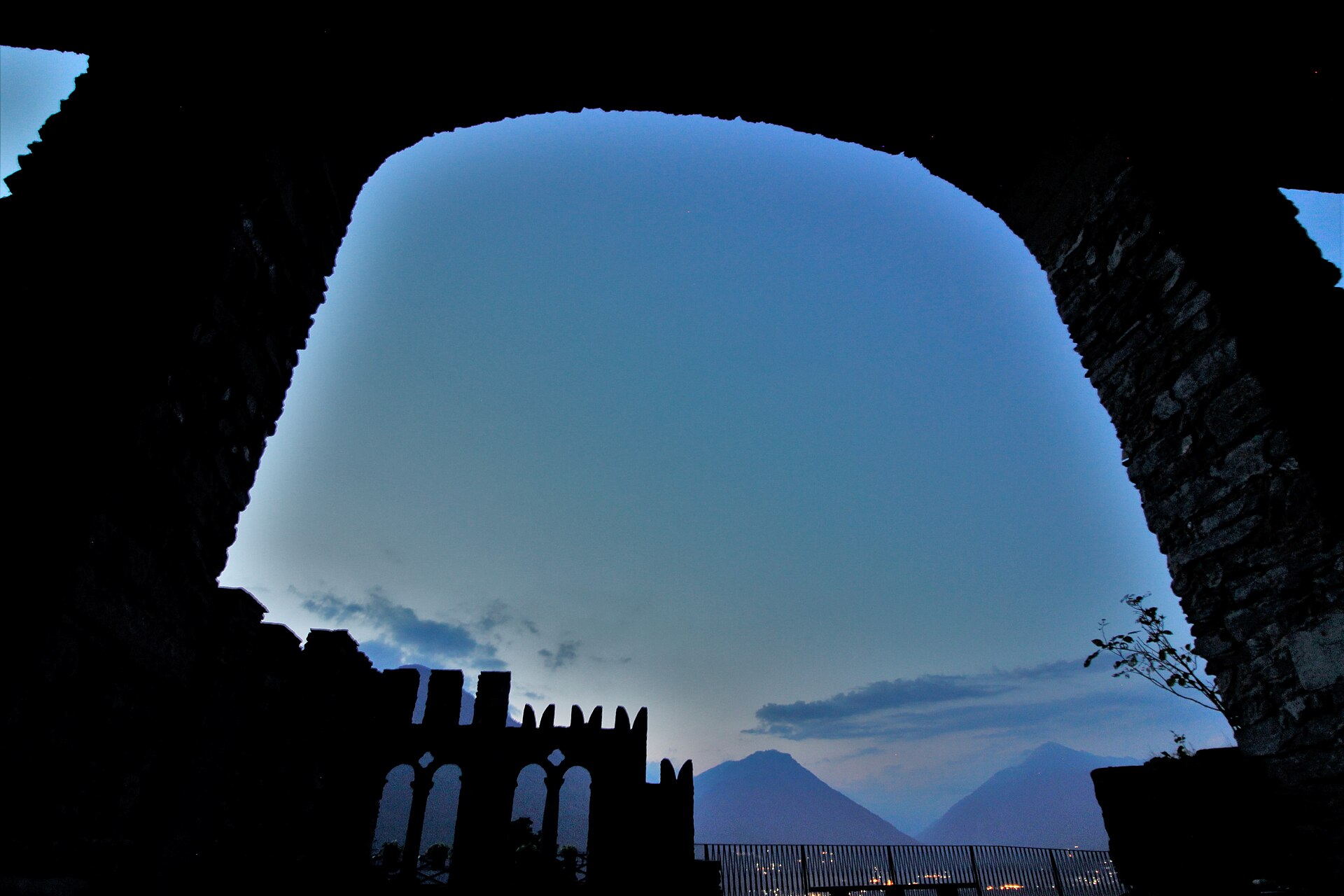
But more than six centuries ago, this same hill told a very different story.
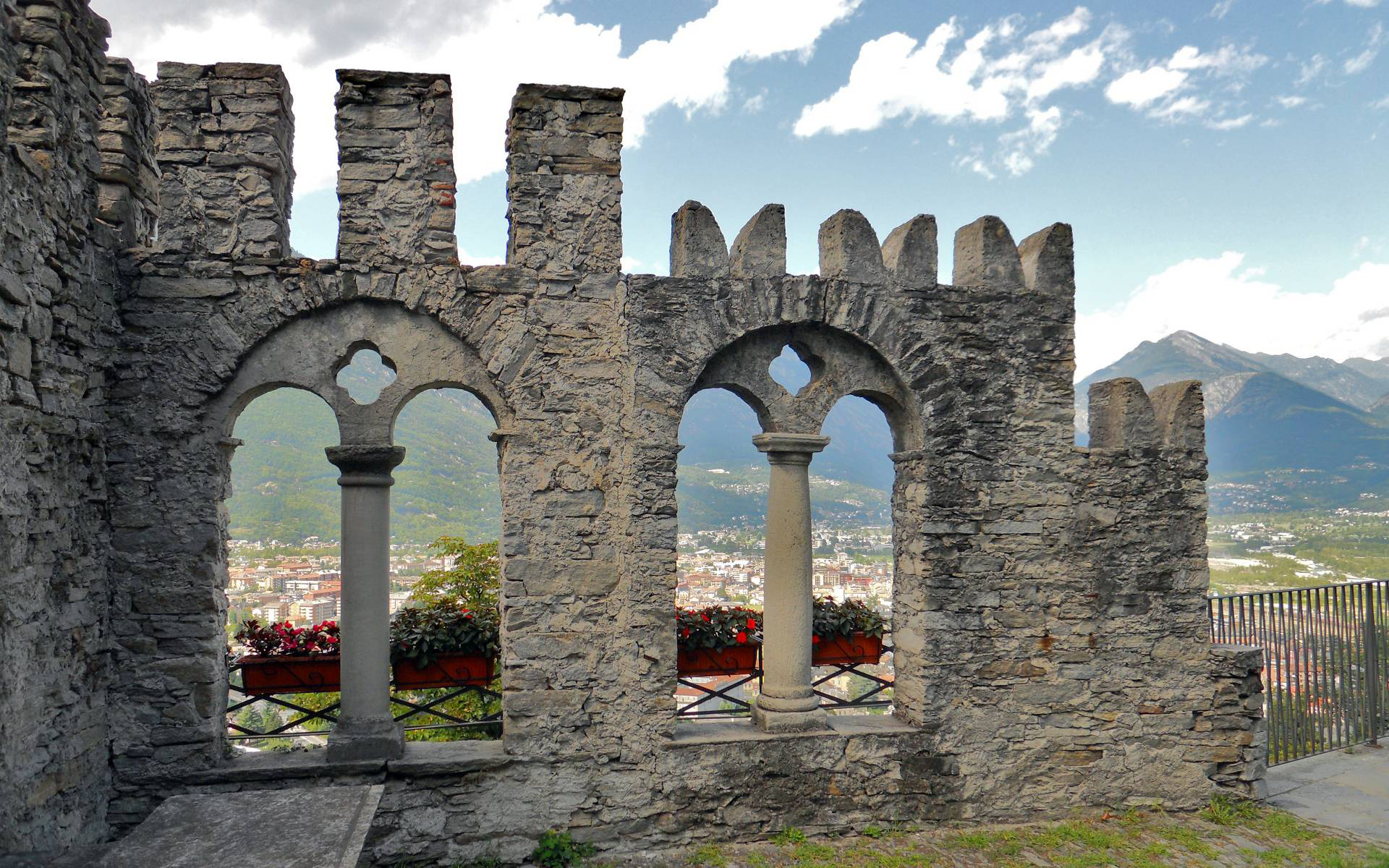
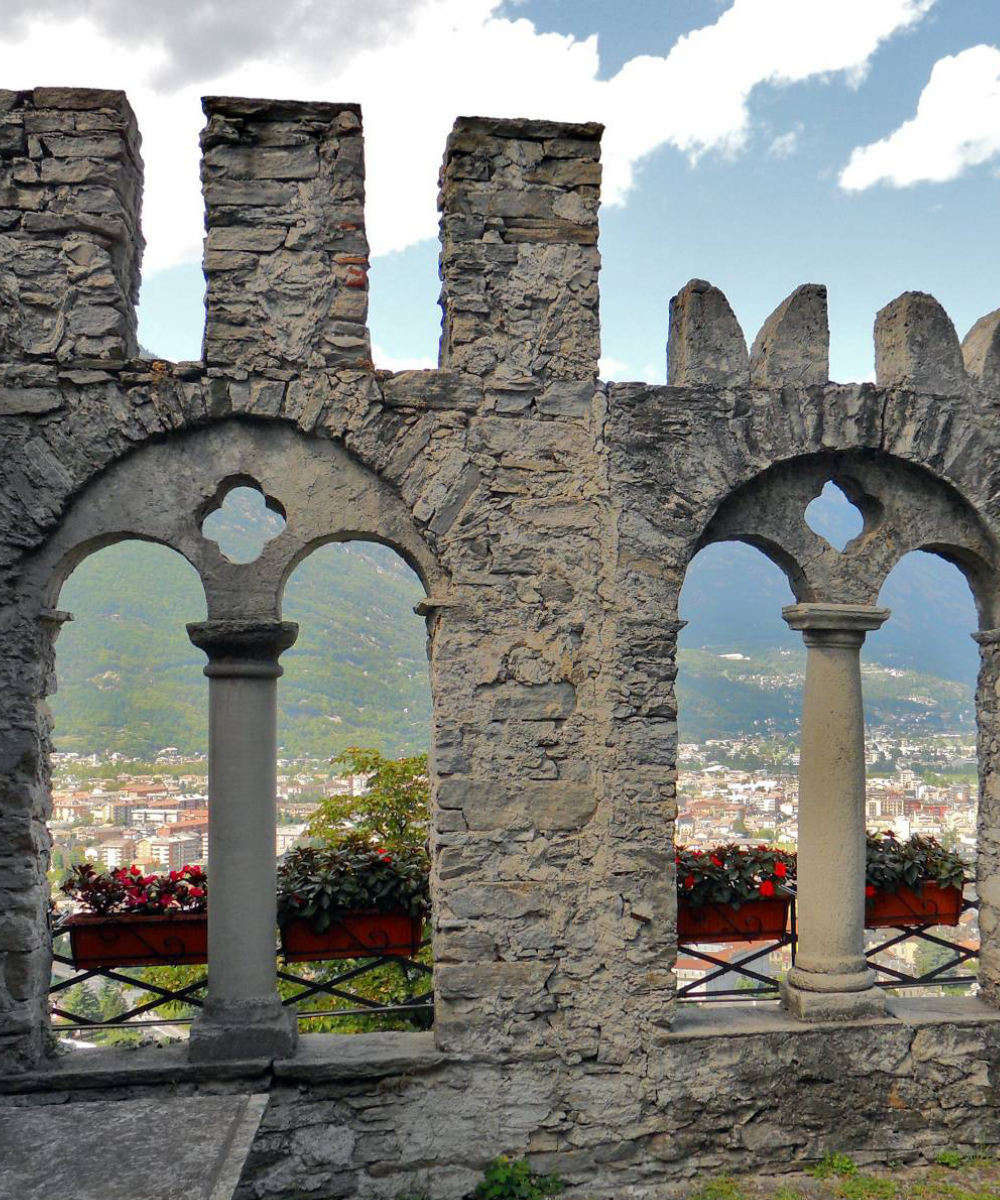
Where pilgrims now walk, soldiers once stood guard. Where chapels invite reflection, the walls of a powerful medieval fortress once dominated the valley.
Its name was Castello Mattarella.
And its transformation from a stronghold of political power into a sanctuary is one of the most fascinating stories hidden in the mountains of northern Piedmont.
When a Castle Controlled the Valley
The Ossola Valley was not simply a quiet corner of the Alps. It was a strategic gateway between the Italian plains and the territories beyond the mountains.
Merchants, travellers and armies crossed these routes, carrying goods, wealth and political ambitions.
Controlling the valley meant controlling an important passage through the Alps.
High above the town, Castello Mattarella occupied an ideal defensive position.
For centuries, the fortress was associated with the bishops of Novara, who held both religious and political authority over the surrounding territory.
Its walls were more than protection. They represented power.
But power in medieval northern Italy rarely remained unchallenged.
The region became involved in conflicts between competing rulers, including the powerful Visconti family of Milan.
This connection reminds us how closely the history of the Ossola Valley was intertwined with that of Lombardy.
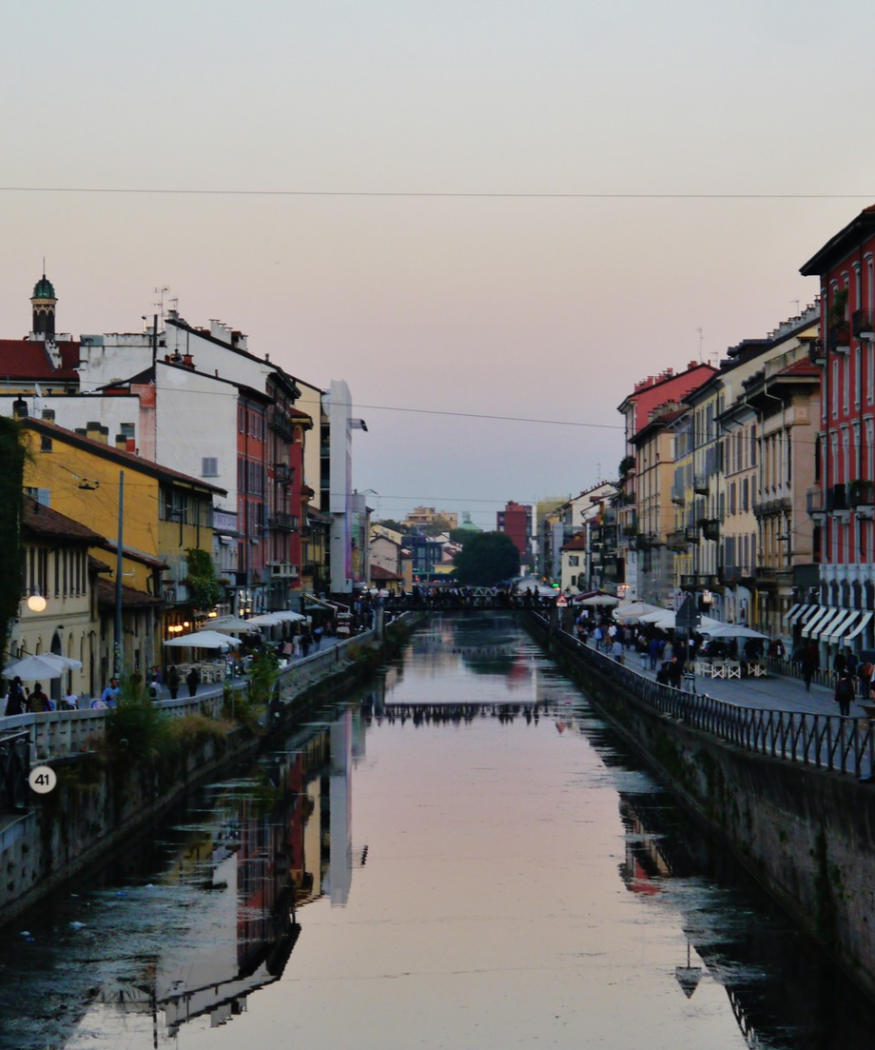
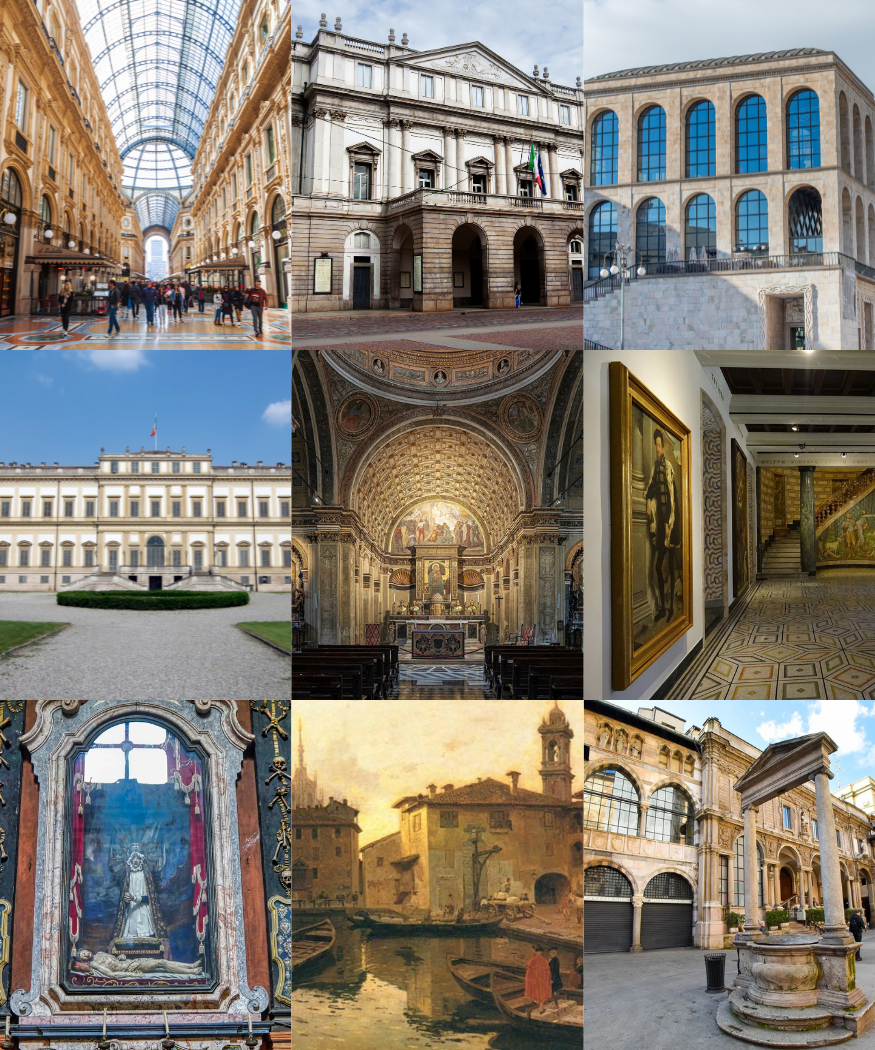
In Milan, political power, commerce and everyday medieval life left their traces in places that can still be explored today.
Discover one of them in our article: Piazza Mercanti: The Medieval Milan Hidden Next to the Duomo.
Yet while Milan’s medieval landmarks survived and evolved, Castello Mattarella was approaching a dramatic turning point.
1415: The Year Everything Changed
In the early fifteenth century, the Alpine region was shaken by political instability and military conflict.
In 1415, during fighting involving Swiss forces, Castello Mattarella suffered devastating destruction.
The fortress that had once symbolised control over the valley was largely reduced to ruins.
Its military importance faded.
For generations, the remains stood on the hillside, silent witnesses to a turbulent past.
The castle had lost its purpose.
Or so it seemed.
More than two centuries later, the same hill would become the setting for something entirely different.
And the contrast could hardly have been greater.
From a Fortress of War to a Mountain of Peace
In 1656, two Capuchin friars, Gioacchino da Cassano and Andrea da Rho, imagined a new future for Mattarella Hill.
Instead of rebuilding its defensive walls, they proposed creating a sacred route dedicated to the Passion of Christ.
Their vision included a series of chapels climbing the hillside, leading visitors towards a sanctuary at the summit.
With the support of the local population, the project began to take shape.
In 1657, the first stone of the sanctuary was laid.
Over the following centuries, chapels, sculptures and paintings gradually transformed the landscape.
The ruins of the medieval fortress remained part of the hill’s history, but its meaning had changed completely.
A place once built to defend territory had become a destination for people seeking peace.
It is this extraordinary transformation that makes the Sacro Monte Calvario so much more than a beautiful religious monument.
A UNESCO Treasure Above Domodossola
Today, the Sacro Monte Calvario is one of the nine Sacred Mountains of Piedmont and Lombardy recognised as UNESCO World Heritage in 2003.
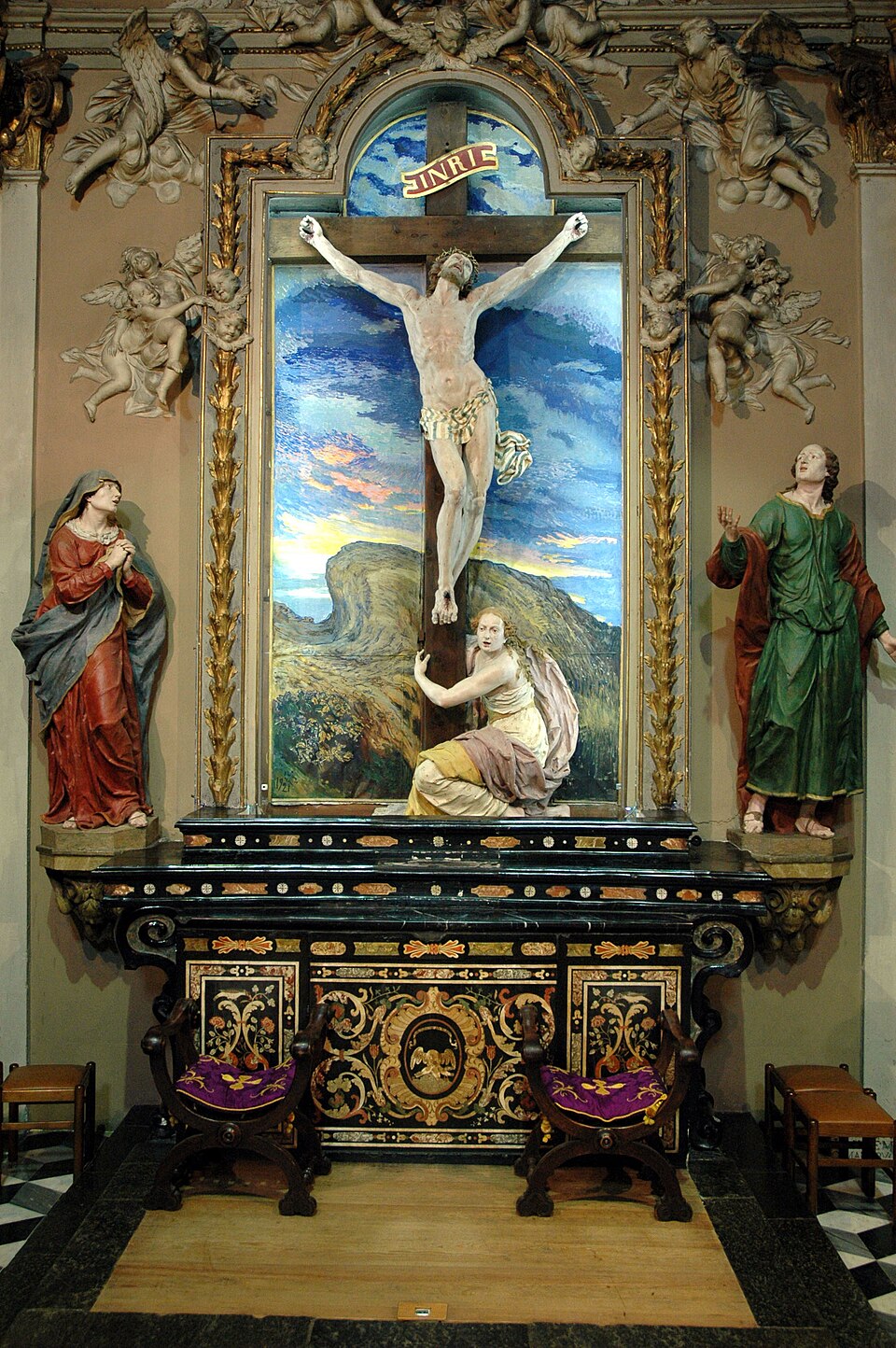
The complex includes fifteen chapels, created and decorated over different periods, illustrating episodes from the Passion of Christ.
The route winds through woodland along a cobbled path, gradually revealing sculptures, paintings and views across Domodossola and the surrounding mountains.
At the summit stands the Sanctuary of the Holy Cross.
But what makes the experience particularly memorable is not simply the destination.
It is the journey.
As you climb, the atmosphere changes. The streets and sounds of the town give way to woodland, silence and unexpected glimpses of the valley.
The chapels invite visitors to slow down and observe details that might otherwise go unnoticed.
And knowing what once stood on this hillside adds another dimension to the experience.
You are not simply walking through a religious complex.
You are walking through centuries of transformation.
The Surprising Connection with Milan’s Duomo
There is another unexpected detail hidden in the history of this Alpine sanctuary.
One of the artists who contributed to its decoration was Dionigi Bussola, a prominent seventeenth-century sculptor.
Bussola also worked for the Veneranda Fabbrica del Duomo, the institution responsible for the construction and preservation of Milan’s famous cathedral.
His expressive Baroque sculptures helped bring the religious scenes of the Sacro Monte to life.
Think about that connection for a moment.
A sculptor associated with one of the world’s most famous Gothic cathedrals also left his artistic mark on a sanctuary overlooking a small Alpine town.
It is another example of how art and history connected Milan with the valleys of northern Piedmont.
And another reason why exploring beyond the most famous tourist destinations can lead to remarkable discoveries.
Don’t Leave Without Discovering Medieval Domodossola
The Sacro Monte may be the most unexpected chapter of this story, but Domodossola itself deserves time to explore.
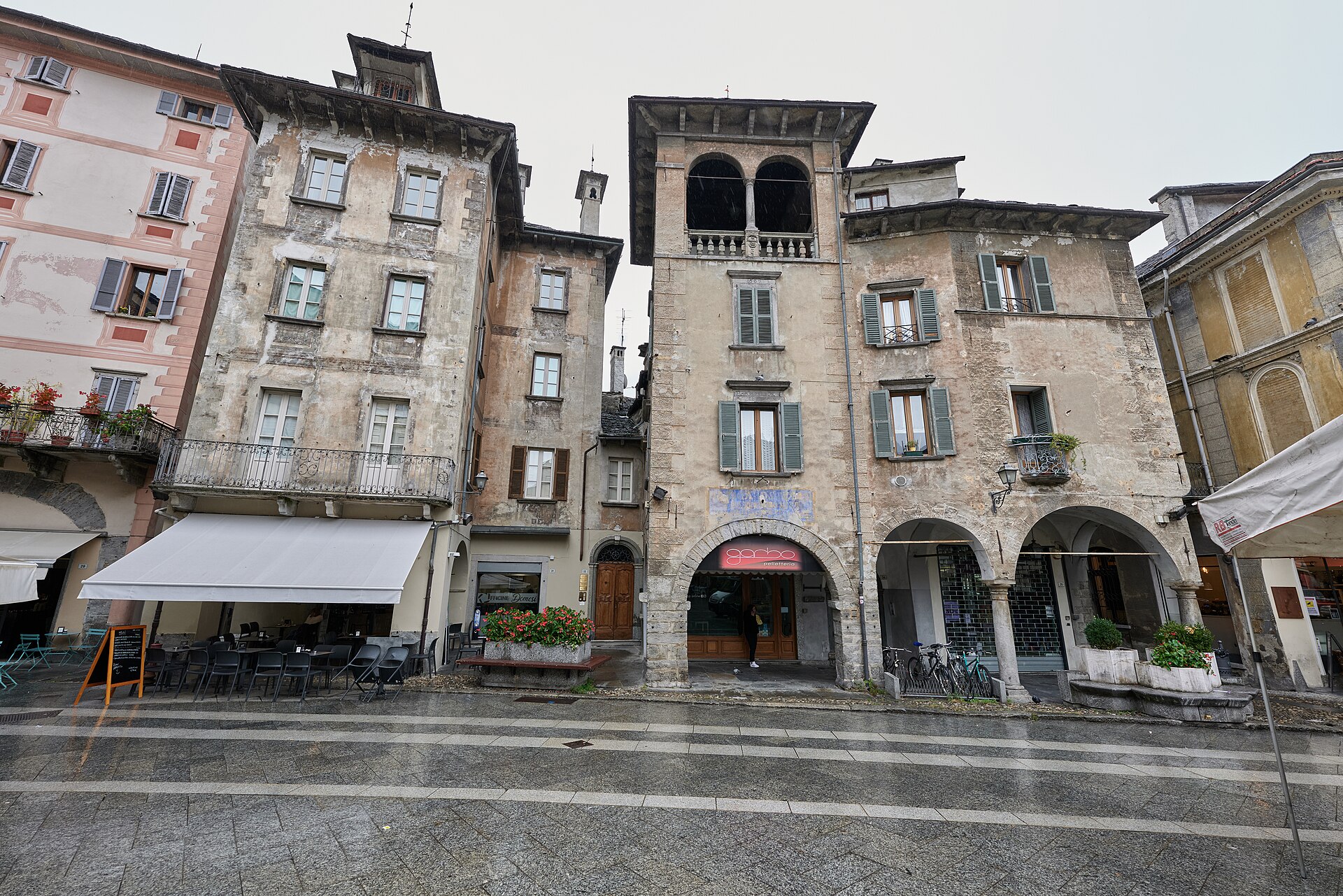
At the heart of its historic centre lies Piazza Mercato, one of the town’s most atmospheric places.
Surrounded by elegant porticoes, historic façades and traditional shops, the square recalls the days when Domodossola was an important Alpine trading centre.
Merchants once gathered here along routes connecting Italy with northern Europe.
Today, the square and its surrounding streets offer a different experience: a chance to wander through medieval architecture, discover picturesque corners and enjoy the relaxed atmosphere of a historic Piedmontese town.
After visiting Sacro Monte, it is an ideal place to stop for a coffee or a leisurely lunch.
And perhaps to reflect on how much history can be hidden within a relatively small Alpine town.
A Different Day Trip from Stresa
Most visitors come to Stresa for the beauty of Lake Maggiore, the Borromean Islands and the elegant atmosphere of its lakefront.
And understandably so.
But just beyond the lake, the surrounding valleys reveal a different side of northern Piedmont.
Domodossola is approximately one hour from Stresa by car, depending on traffic, and can also be reached by train.
A visit combining the Sacro Monte Calvario with the historic town centre offers an opportunity to discover medieval history, Baroque art and Alpine scenery in a single day.
Stresa makes an excellent base for exploring the region.
Whether you stay at Hotel Saini, in the historic heart of town, or at Lakeview Attico Saini, with its beautiful views over Lake Maggiore, you can combine the pleasures of the lake with fascinating discoveries beyond its shores.
And if you prefer exploring without a car, take a look at our guide: Stresa Without a Car: What to See and Do on Lake Maggiore.
Some Places Have More Than One Story
Centuries ago, Castello Mattarella stood above Domodossola as a symbol of power.
Its walls guarded strategic Alpine routes. Its position reflected the ambitions of bishops and rulers. Its destruction marked the end of an era.
Today, the same hillside welcomes visitors seeking beauty, history and tranquillity.
The fortress has largely disappeared, but its story survives in the landscape that replaced it.
And perhaps that is what makes this place so special.
Sometimes, the most peaceful places have the most turbulent pasts.
Next time you visit Lake Maggiore, consider taking the road towards Domodossola.
You may discover that one of the region’s most memorable stories is waiting just beyond the lake.